
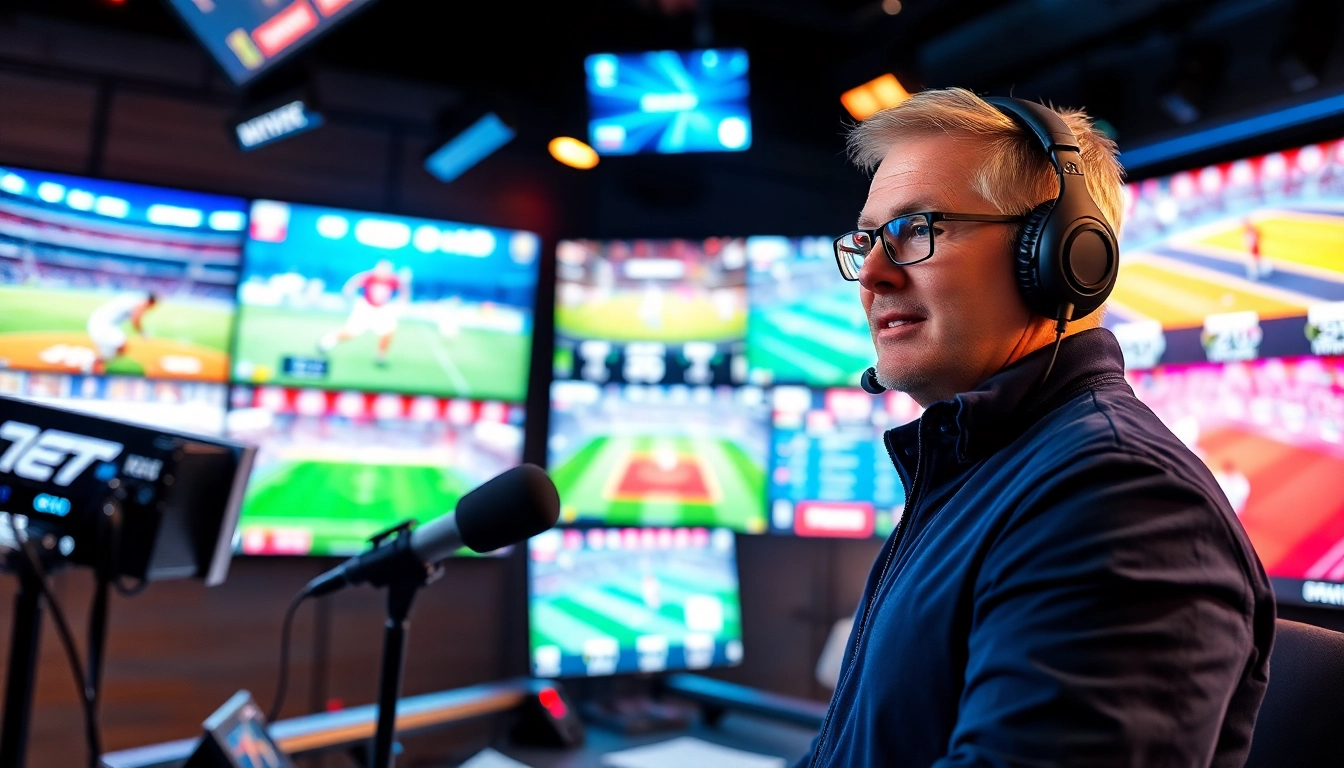
Understanding Sports Broadcasting Today
What is Sports Broadcasting?
Sports broadcasting refers to the dissemination of live sports events, coverage, and associated commentary to a broad audience. This form of media is crucial in connecting fans with their favorite sports, teams, and athletes, creating a vibrant culture that transcends geographical barriers. Sports broadcasting spans multiple platforms, including television, radio, and digital streaming services. The primary goal is to deliver engaging content that informs, entertains, and connects viewers while also promoting sportsmanship and athleticism.
As the industry continues to evolve, understanding the intricacies of this domain is essential for broadcasters, advertisers, and fans alike. Engaging in Sports Broadcasting requires insight into the various facets of media rights, audience engagement strategies, and the impact of technological advancements on viewer consumption.
Key Players in the Sports Broadcasting Industry
The sports broadcasting landscape is populated by various key players, each playing a vital role in shaping how sports content is delivered to audiences. These entities can be categorized into several groups:
- Broadcasters: Major networks and cable companies invest heavily in acquiring broadcast rights to popular sports leagues, providing coverage that attracts millions of viewers nationwide.
- Digital Platforms: Streaming services like ESPN+, DAZN, and regional sports networks have emerged as significant players, targeting younger demographics with flexible viewing options.
- Athletic Organizations: Major leagues, such as the NFL, NBA, and MLB, negotiate contracts with broadcasters, driving the terms of distribution and viewing rights.
- Advertisers: Sponsorship and advertising are crucial financial components of sports broadcasting, influencing content and presentation based on market trends and viewer demographics.
- Viewers: Ultimately, the preferences and habits of sports fans dictate the success of broadcasting strategies and the evolution of content delivery.
The Role of Technology in Sports Broadcasting
Technology has revolutionized the sports broadcasting industry, fostering new methods of content delivery and audience engagement. Key advancements include:
- High-Definition and 4K Broadcasting: Enhanced video quality improves the viewing experience, making it more immersive for fans watching from home or on mobile devices.
- Augmented Reality (AR) and Virtual Reality (VR): These technologies provide viewers with an interactive experience, allowing them to engage with the sport in unprecedented ways, such as virtual stadium tours or interactive replays.
- AI and Machine Learning: Data analytics are being utilized to analyze viewer behavior, optimize broadcast schedules, and tailor advertisements, ultimately increasing efficiency and viewer satisfaction.
- Mobile Streaming: The rise of smartphones and tablets has changed how fans consume sports content, enabling them to watch events live from anywhere, leading to increased viewership.
Challenges Facing Sports Broadcasting
Competition from Digital Platforms
The advent of digital platforms has created significant competition for traditional broadcasters. Streaming services offer on-demand content, catering to viewer preferences for flexibility and access to niche sports. While traditional sports broadcasting relies largely on live event coverage, digital platforms create an environment that allows fans to customize their viewing experience.
To combat this, broadcasters need to enhance their offerings with features such as interactive content and accessibility across devices, ensuring they remain relevant in an ever-evolving media landscape.
Adapting to Changing Viewer Preferences
Modern viewers are increasingly selective about how they consume content, heavily influenced by technology and cultural shifts. Many fans now favor shorter content formats, engaging highlight reels, and social media interaction over traditional full-game broadcasts. Broadcasters must respond to these trends by incorporating solutions that deliver bite-sized content, real-time stats, and opportunities for audience interaction.
Moreover, understanding the younger generations is crucial; they typically engage more with platforms that facilitate social networking and user-generated content. Innovations like social media integration and direct fan involvement can stimulate interest and provide fresh ways to follow games.
Regulatory and Licensing Issues
Navigating the regulatory landscape presents another challenge for sports broadcasters. Licensing agreements can be complex and must adhere to regional legal frameworks, impacting revenue generation and the types of content that can be shared. Violating these agreements can lead to significant financial repercussions.
Furthermore, as international sports events grow in popularity, broadcasters must navigate a myriad of different regulations across countries, ensuring compliance while maximizing their profitability through strategic partnerships and licensing agreements.
Best Practices for Effective Sports Broadcasting
Leveraging Social Media for Engagement
Social media plays a pivotal role in contemporary sports broadcasting, acting as a bridge between fans and content creators. Broadcasters should use platforms like Twitter, Facebook, and Instagram to engage viewers, foster community discussions, and promote events.
The key is to provide real-time updates, behind-the-scenes access, and interactive content that generates buzz and drives viewers to traditional broadcast mediums. Engaging in contests, polls, and interactive Q&A sessions fosters loyalty and keeps fans actively involved.
Utilizing Data Analytics for Audience Insights
Data analytics offers invaluable insights into audience behavior and preferences, enabling broadcasters to tailor content effectively. By analyzing viewer data, broadcasters can determine which programs resonate with audiences, leading to optimized programming and advertising strategies.
Implementing predictive analytics helps identify trends, such as peak viewing times and popular events, allowing broadcasters to schedule content strategically for maximum impact. This approach not only enhances the user experience but also boosts revenue through targeted advertising.
Enhancing Interactive Viewing Experiences
With viewers seeking more engaging experiences, broadcasters must innovate in how they present content. This can include offering multiple camera angles, interactive graphics, and synchronized social media feeds. By creating an environment where fans can engage actively during live events, broadcasters foster a deeper connection between the content and the audience.
Additionally, incorporating features like live polls and user-generated content encourages active participation, making the viewing experience more immersive and enjoyable.
The Future of Sports Broadcasting
Emerging Technologies in Sports Broadcasting
The future of sports broadcasting will undoubtedly be shaped by emerging technologies. Areas such as drone technology for aerial shots, advanced robotics for camera work, and AI-driven content curation are poised to transform how events are broadcasted.
Furthermore, innovations in blockchain technology for secure data transactions may revolutionize how advertisers and broadcasters engage with audiences, ensuring authenticity and transparency in sponsorship deals.
The Impact of Streaming Services
Streaming services continue to reshape the sports broadcasting landscape by attracting younger audiences who prefer on-demand access to content over traditional cable subscriptions. This shift prompts broadcasters to rethink their distribution models, blending traditional and digital strategies.
Future broadcasters may find themselves partnering with streaming platforms to capitalize on their vast reach and convenience, ensuring broader coverage and engagement across demographics. As audience expectations move towards interoperability, effective strategies will hinge on collaboration rather than competition.
Predictions for Viewer Trends
As we look ahead, viewer trends indicate a move toward more personalized content consumption experiences. Audiences will increasingly demand tailored content that adheres to their preferences, from personalized highlights to local team news delivered directly to their devices.
In addition, the rise of esports and virtual sports broadcasting signifies changing audience tastes, leading traditional sports broadcasters to explore new genres and formats to capture viewer interest.
FAQs about Sports Broadcasting
What is the primary purpose of sports broadcasting?
The primary purpose of sports broadcasting is to deliver live sports events, updates, and expert analysis to viewers, engaging fans and promoting sports.
How has technology influenced sports broadcasting?
Technology has enhanced viewing experiences through advanced analytics, virtual reality, and higher-quality streaming, transforming how fans engage with sports.
What challenges do broadcasters face today?
Broadcasters compete with digital platforms and must adapt to changing viewer habits, regulatory hurdles, and shifting advertising models.
What is the role of social media in sports broadcasting?
Social media amplifies reach, allowing real-time engagement, audience interaction, and spontaneous updates to fans during sports events.
How will sports broadcasting evolve in the coming years?
Advancements in AI, augmented reality, and personalized content will cater to emerging viewer preferences, transforming the sports media landscape.