Will Electric Pallet Truck Still Be Relevant in 2027? Essential Insights for Warehouse Managers
Understanding Electric Pallet Trucks: The Future of Material Handling
The landscape of material handling is rapidly evolving, with a noticeable shift towards electric pallet trucks as a standard in warehouse operations. As organizations seek to enhance efficiency while minimizing their environmental impact, electric pallet trucks have emerged as a reliable solution. These machines are designed for heavy lifting and maneuverability, making them an essential component in modern logistics. When exploring options, electric pallet truck specifications can provide comprehensive insights that align with operational needs.
What is an Electric Pallet Truck?
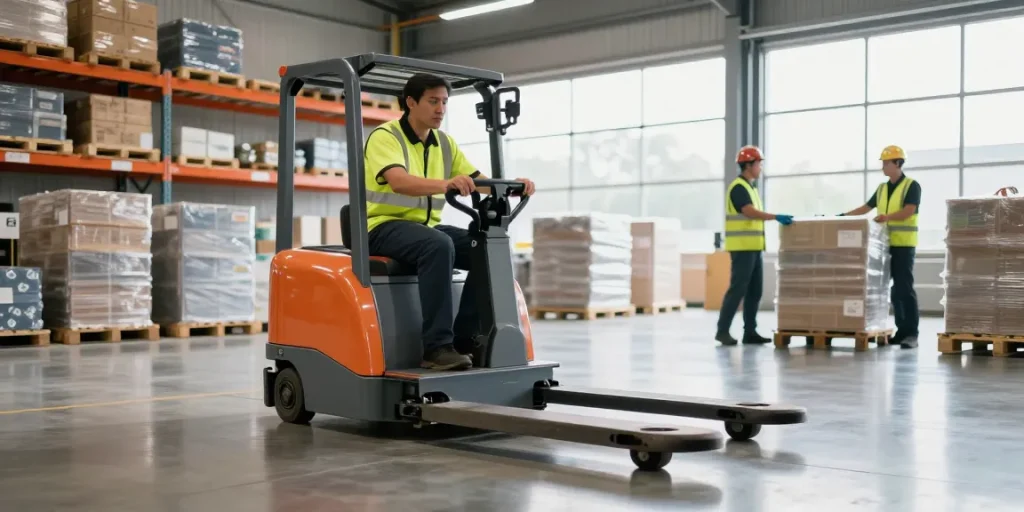
An electric pallet truck, often referred to as an electric pallet jack, is a powered device designed to lift and transport palletized loads. Unlike its manual counterpart, the electric version utilizes a rechargeable battery, significantly reducing the physical effort required by operators. Typically equipped with forks that slide under pallets, these trucks allow for a seamless transfer of goods within warehouses, retail environments, and manufacturing plants.
Key Features and Benefits
- Ergonomics: Electric pallet trucks are designed to reduce strain on the operator, which is crucial in minimizing workplace injuries.
- Efficiency: With electric motors, these pallet trucks can move goods faster than manual alternatives, increasing productivity.
- Sustainability: Electric pallet trucks produce zero emissions, making them an environmentally friendly option for businesses.
- Advanced Technology: Many models come equipped with features like regenerative braking, which conserves battery life during operation.
Common Use Cases in Warehousing
Electric pallet trucks are incredibly versatile and can be utilized in various settings including:
- Loading and Unloading: They facilitate the movement of goods from shipping docks to storage areas and vice versa.
- Order Picking: Operators can use them to organize goods for shipment efficiently, improving order accuracy and speed.
- Transporting Goods: Ideal for carrying materials across lengthy warehouse aisles without strain.
Advantages of Electric Pallet Trucks Over Traditional Solutions
Cost Efficiency and Maintenance Benefits
One of the most appealing factors of electric pallet trucks is their cost efficiency. Traditional forklifts require regular maintenance involving fuel costs, which can add up significantly over time. In contrast, electric pallet trucks require less maintenance due to fewer moving parts. The operational costs are considerably lower, as electricity is often cheaper than fuel, and battery maintenance is typically straightforward.
Environmental Impact and Sustainability
As businesses strive for sustainability, electric pallet trucks offer a green alternative to fossil fuel-powered machines. They help reduce greenhouse gas emissions and are quieter, contributing to a more pleasant working environment. This shift aligns with increasing global regulations focused on reducing carbon footprints in industrial operations.
Enhanced Safety Features and Compliance
Safety is paramount in any warehouse environment. Electric pallet trucks are equipped with advanced safety features, including:
- Emergency Stop: A quick-access button that stops the truck immediately in case of an emergency.
- Alert Systems: Noise or light indicators that warn pedestrians of a moving truck.
- Stability Features: Designed to minimize the risk of tipping while carrying heavy loads.
Choosing the Right Electric Pallet Truck for Your Operation
Assessing Load Capacity and Performance
One of the first considerations when selecting an electric pallet truck is understanding the load capacity required for your specific tasks. Models range significantly in weight capacities, typically from 2,200 to 5,500 pounds. Choosing a truck that matches your operational requirements ensures efficiency and reliability.
Understanding Battery Technologies and Usage
Battery technology plays a crucial role in the performance of electric pallet trucks. Modern units may use lead-acid or lithium-ion batteries, with lithium-ion batteries offering longer life and faster charging times. Carefully assessing your warehouse’s operational intensity will help you choose the right battery technology to meet your needs.
Vendor Comparisons: Pricing and Warranty Considerations
When investing in an electric pallet truck, it’s essential to compare various vendors. Look for options that offer transparent pricing, comprehensive warranties, and after-sales support. Additionally, consider vendors with a strong reputation in customer service, as this can greatly affect your overall satisfaction with the purchase.
Implementing Electric Pallet Trucks in Your Warehouse: Best Practices
Training Your Team for Effective Operation
Proper training is critical for ensuring the safe and efficient use of electric pallet trucks. Implement a structured training program that includes:
- Hands-on practice with the equipment.
- Safety protocols relevant to warehouse environments.
- Regular refresher courses to keep skills sharp.
Maintenance Tips for Longevity and Performance
To maximize the lifespan of electric pallet trucks, implement a routine maintenance schedule that includes:
- Regular battery checks and charging.
- Routine inspections of the lifting system and wheels.
- Keeping parts clean and lubricated to ensure smooth operation.
Integrating with Existing Warehouse Management Systems
To fully leverage the capabilities of electric pallet trucks, ensure seamless integration with your warehouse management system (WMS). This integration can enhance inventory tracking, order processing, and overall operational efficiency.
Future Trends in Electric Pallet Truck Technology and Usage
Advancements in Automation and AI Integration
The future of electric pallet trucks is likely to incorporate more automation and artificial intelligence. Innovations such as self-driving pallet trucks may become commonplace, allowing for increased efficiency and reduced labor costs. Businesses should stay updated on these technological advancements to remain competitive in the fast-evolving marketplace.
Predictive Maintenance and Performance Monitoring
Employing IoT and predictive maintenance technologies will enable businesses to monitor the performance of electric pallet trucks in real-time. This proactive approach allows for timely maintenance, minimizing downtime and extending equipment life.
Looking Ahead: The Role of Electric Pallet Trucks in 2026 and Beyond
As the demand for efficient, eco-friendly material handling solutions continues to grow, electric pallet trucks will play an increasingly vital role in operations. With ongoing advancements in technology and a focus on sustainability, these machines will undoubtedly shape the future of warehouse logistics.
What are the main benefits of using an electric pallet truck?
Electric pallet trucks offer numerous benefits, including enhanced efficiency, reduced operational costs, lower environmental impact, and improved safety features, making them an excellent choice for modern warehouses.
How do electric pallet trucks compare with manual options?
Compared to manual options, electric pallet trucks reduce physical strain on operators, improve speed and efficiency in moving goods, and require less maintenance, ultimately leading to a more productive warehouse environment.
What safety features should I look for in an electric pallet truck?
When selecting an electric pallet truck, look for safety features like emergency stop buttons, alert systems for pedestrian safety, and stability mechanisms to prevent tipping while under load.
How to train staff on electric pallet truck usage effectively?
Effective training should combine theoretical knowledge and hands-on experience, covering safety protocols, operational procedures, and routine maintenance to ensure staff are fully prepared to use electric pallet trucks safely.
What trends should we anticipate in electric material handling equipment?
Future trends in electric material handling equipment are expected to include increased automation, enhanced integration with warehouse management systems, and advancements in battery technologies, leading to greater efficiency and sustainability.